Empowering Sri Lanka with Sustainable Energy.

What Is a Fire Briquette?

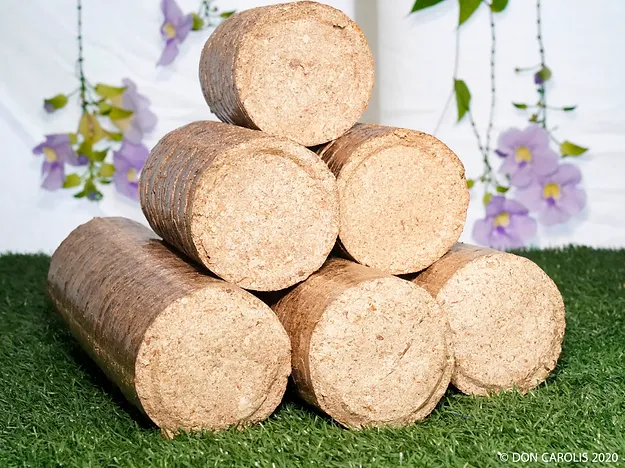
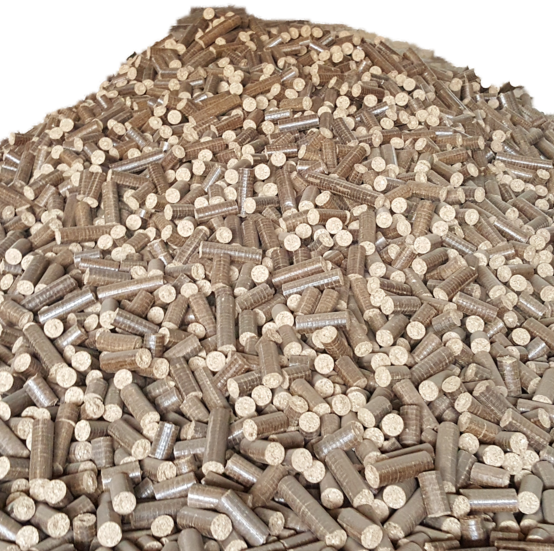
A fire briquette (often called a wood briquette or biofuel briquette) is a compressed block of combustible material that is used as a fuel source for burning in fireplaces, stoves, boilers, or outdoor grills. Think of it as a "manufactured log." Instead of burning raw, bulky timber, you are burning a concentrated, highly efficient, and uniform fuel source.

Why Choose DonsRenewable?

Choosing DonsRenewable Pvt Ltd means choosing a cleaner, more efficient, and sustainable future for your energy needs. As a proud Sri Lankan company, we are committed to turning waste into high-performance fuel.

Here is why businesses and households across Sri Lanka are choosing us:

1. Superior Energy Efficiency

Unlike traditional firewood, which often has high moisture levels, our briquettes are engineered for maximum heat output. Because they are compressed to a high density, they provide a long-lasting, consistent burn that saves you money by reducing the frequency of refueling.

2. Commitment to Sustainability

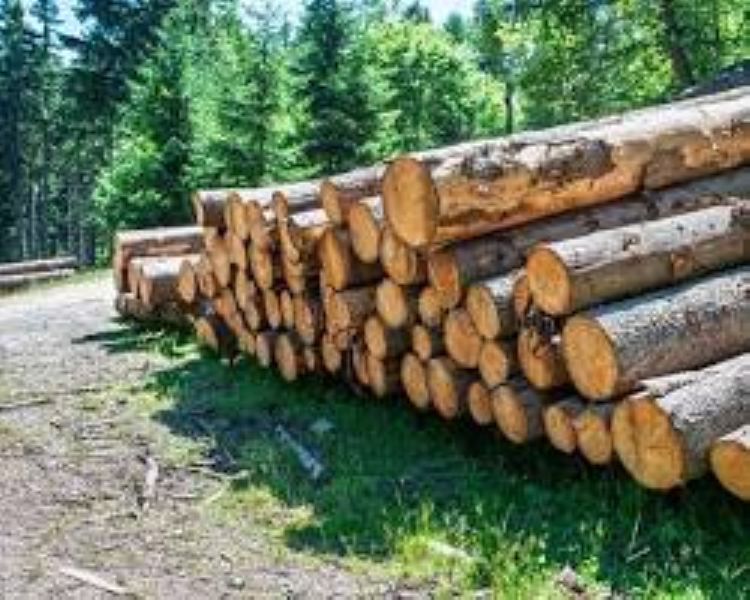
We believe in the power of the circular economy. By transforming discarded sawdust from local timber industries into usable energy, we prevent waste from polluting our environment and reduce the reliance on cutting down standing trees for fuel. When you choose us, you are actively helping to protect Sri Lanka’s forests.

3. Clean, Uniform, and Convenient

Our briquettes are manufactured to be uniform in size and shape. This makes them:

  • Easy to Store: They stack neatly, taking up far less space than irregular pieces of wood.

  • Consistent Performance: You get a predictable burn time and heat intensity every single time.

  • Low Maintenance: They produce significantly less ash and soot than raw wood, keeping your stoves, boilers, and cooking areas cleaner for longer.

4. Reliable Local Supply

At DonsRenewable, we understand the needs of our local community. Whether you are a small business looking for a steady supply of boiler fuel or a household seeking a clean cooking alternative, we offer professional, reliable service tailored to your requirements.

5. Naturally Safe

Our production process focuses on mechanical compression, which leverages the natural compounds in wood to bind the briquettes together. This means our product is free from harmful chemical binders or artificial glues, ensuring that your burn is clean, safe, and environmentally responsible.

“At DonsRenewable, we don’t just sell fuel; we provide a smarter way to power your home and your business, one briquette at a time.”

How Briquettes Are Made?

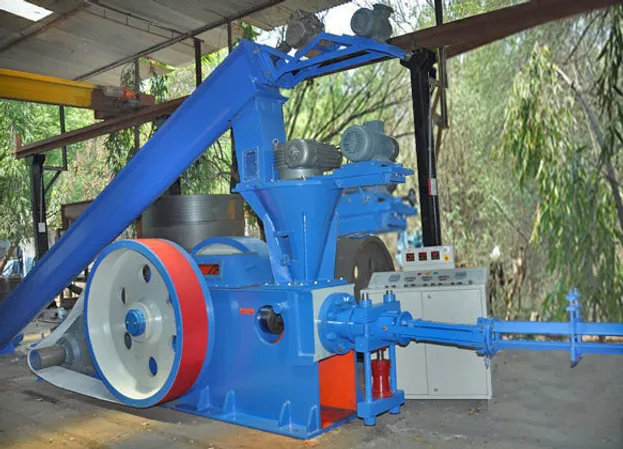
Before learning how to make sawdust briquettes, you should know the machinery used for making sawdust briquettes. It is called briquetting machine, designed for making sawdust into briquettes, you can also call it sawdust briquetting press.

Making sawdust briquettes effectively—especially for a professional venture like DonsRenewable Pvt Ltd—requires a focus on density and moisture control. Depending on your current setup, here is the breakdown of how to move from loose sawdust to a high-quality fuel product.

The Essential Process

Regardless of the scale, the production of a briquette follows four fundamental steps:

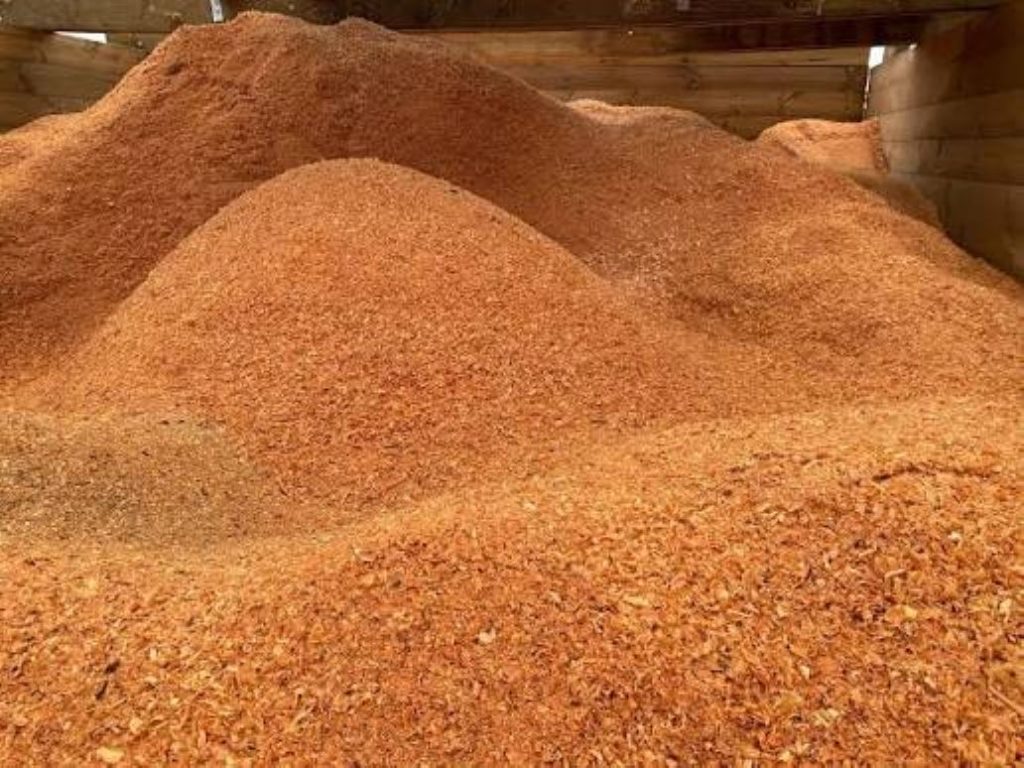
Collection & Cleaning: Gather your sawdust. It is vital to remove contaminants like plastic, metal, or stones, as these can damage your machinery or cause toxic fumes during burning.

Drying: This is the most critical step. For the best “bang for your buck,” the raw sawdust should be dried to a moisture content of 10%–15%. If it’s too wet, the briquette will crumble or mold; if too dry, it won’t bind properly under pressure.

Compression (The Core Step):

Manual/Small Scale: You use a mold and a lever press. You will likely need a binder (like rice starch, flour paste, or clay) to hold the sawdust together because manual pressure isn’t high enough to trigger the natural lignin.

Professional/Industrial: You use a hydraulic or mechanical screw press. These machines exert massive pressure and often generate heat, which liquefies the lignin (a natural polymer in wood). This acts as a “natural glue,” making the briquette rock-hard without any additives.

Cooling & Curing: Freshly pressed briquettes are hot and slightly soft. They need to cool down in a ventilated area to solidify fully before they are stacked for sale.

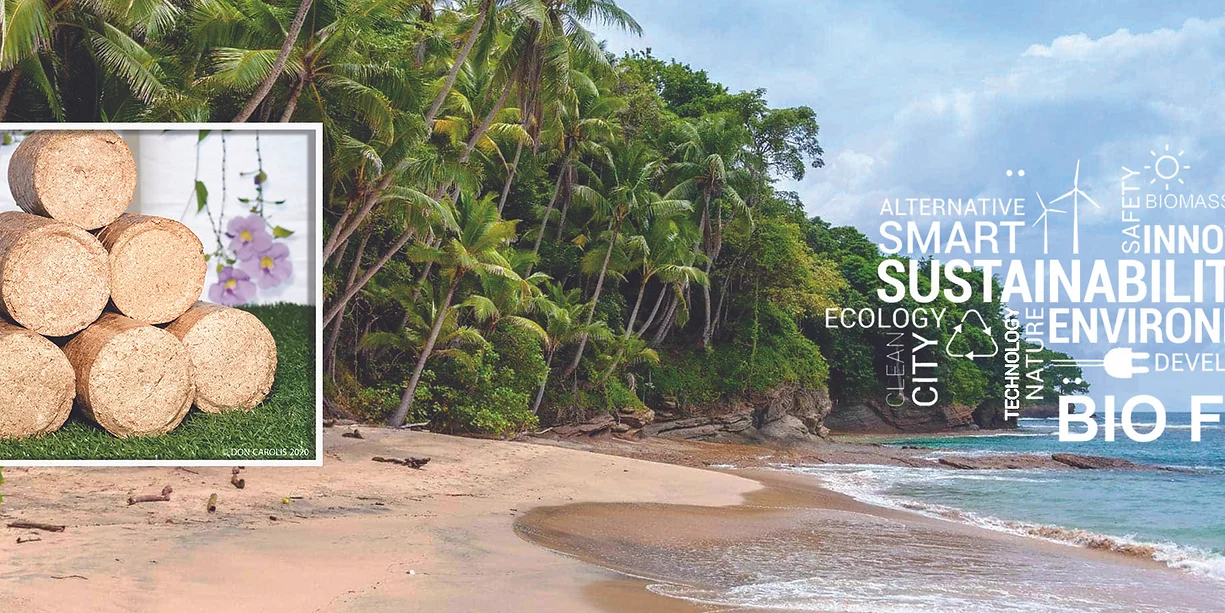
Briquettes are engineered to be superior to raw firewood in several key ways:

Higher Energy Density: Because they are compressed, they have much less air between particles than raw wood. This means they often burn hotter and longer per kilogram.

Low Moisture Content: Raw wood often contains 20–50% moisture, which wastes energy as it burns off water. High-quality briquettes are usually dried to under 10% moisture, meaning almost all the energy goes directly into heat.

Uniformity: Every briquette is the same size and density. This makes it much easier to control your fire, predict your burn time, and store the fuel neatly without gaps.

Environmentally Friendly: They utilize waste materials (like your sawdust at DonsRenewable Pvt Ltd) that would otherwise be discarded or left to rot, providing a circular, sustainable energy solution.

Less Ash: Because they are made from clean wood waste, they produce significantly less ash and soot than standard, lower-quality firewood.

Common Types

Industrial Briquettes: Often cylindrical or rectangular, used as a coal replacement in industrial boilers.

Fireplace/Stove Briquettes: Designed for residential use to provide a steady, clean flame in wood-burning stoves.

Why Use Briquettes Instead of Raw Wood?

Scroll to Top